2026-08-17
Bhastrika vs Kapalabhati Pranayama: Two Fires, One Breath
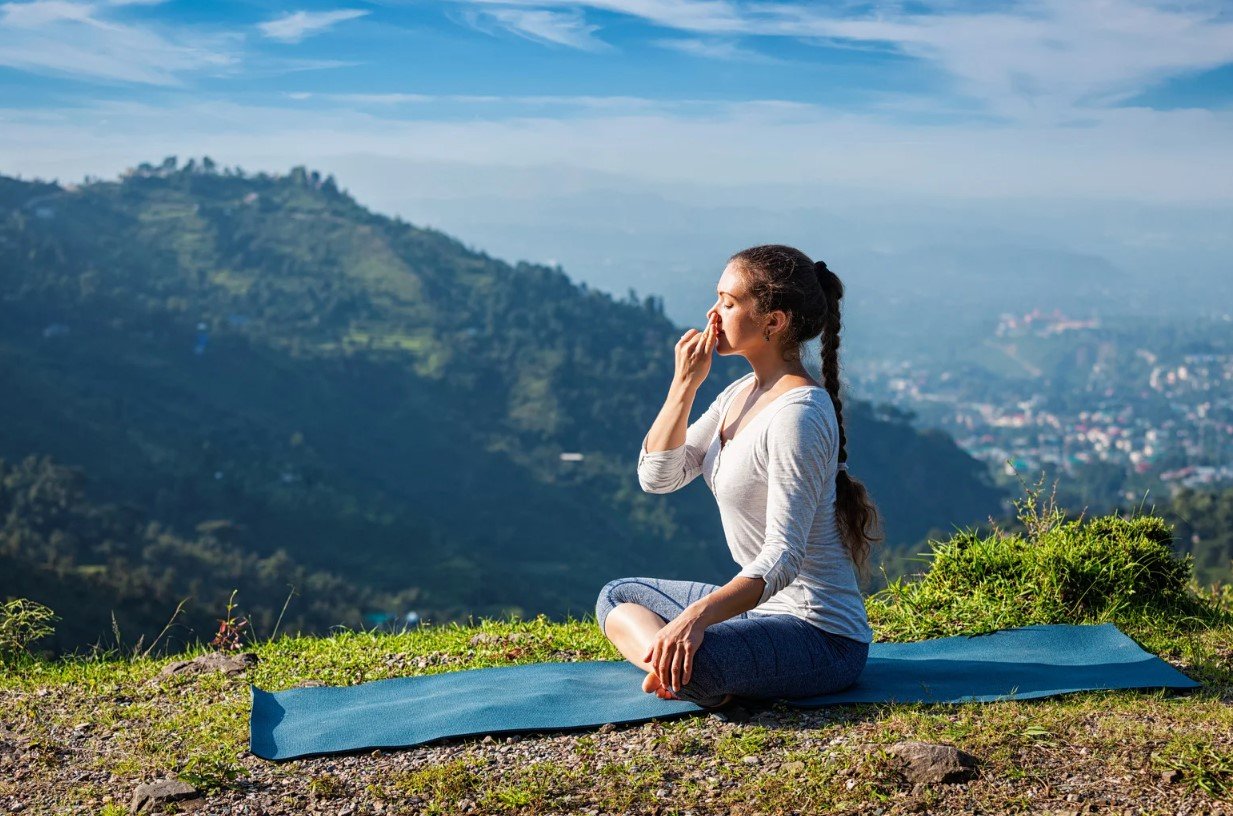
Bhastrika and Kapalabhati both belong to the family of Agni practices, ways of awakening inner heat. They build warmth, but not the same kind. Bhastrika is the fire that forges; Kapalabhati is the fire that refines. One awakens, the other clears, and both, practiced with sincerity, change you from the inside.
Bhastrika: The Bellows Breath
Bhastrika literally means bellows, the tool a blacksmith uses to feed flame. You inhale and exhale with equal force, sharp and rhythmic, the diaphragm moving like a piston. Ten or twenty breaths, then a deep inhale, a pause, and silence. The body warms, the head clears, and a faint pulse of alertness rises behind the eyes. Physiologically this means increased oxygen exchange and faster circulation; if you have hypertension or anxiety, practice gently or skip it until guided by a teacher, the goal is focus, not force.
Kapalabhati: The Skull-Shining Breath
Kapal means skull, bhati means to shine. Here only the exhale is active, quick and snappy from the abdomen; the inhale simply happens on its own. It tones the core, wakes digestion and sharpens alertness, and in the yogic view balances ida and pingala, the moon and sun currents. Common mistakes are overdoing it, breathing from the chest instead of the belly, and skipping the pause afterward, that pause, the stillness after the last exhale, is where the practice actually lands.
A Simple Sequence
If you are new to both, start with Kapalabhati, since it is gentler and teaches control first. Once your breath feels steady, add short rounds of Bhastrika to build energy before meditation or asana. Try this order: sit tall, one round of Kapalabhati (around 30 light exhalations), rest, one round of Bhastrika (15 to 20 strong breaths), rest again, then sit in silence and let everything settle.
Which One Should You Practice?
Neither is better. One burns the wood, the other clears the smoke. Some mornings call for Bhastrika's intensity, others for Kapalabhati's gentleness, the breath tends to tell you which, if you listen.
Both techniques, and the judgment to know when to use each, are taught in our 200-Hour and 300-Hour Yoga Teacher Trainings. See also Surya Bheda and Chandra Bheda Pranayama for a related pair of practices.