2026-08-17
Breathwork in Yoga: The Power of Pranayama in Teacher Training
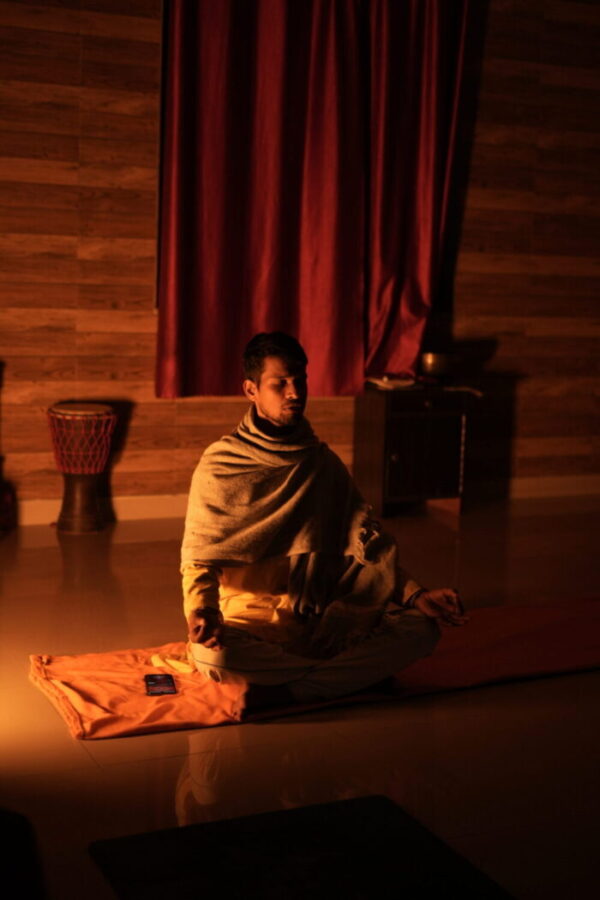
Before we can guide others through postures, we have to learn to guide them back to themselves, and that always begins with breath. In yoga, breathwork is not a supporting element, it is the central thread weaving together body, mind and spirit, the bridge between effort and ease. In a teacher training, learning to breathe well is the beginning of teaching well.
Why Pranayama Sits at the Heart of Training
Before yoga was movement, it was breath. Classical texts don't open with asana, they open with prana, the life-force energy carried by the breath. In training, pranayama teaches you to listen, not only to the breath of others but to your own inner rhythm, nervous system and emotion. As B.K.S. Iyengar put it, the breath is not commanded by will; it has to be invited, the way you'd draw a horse in a field by standing still with an apple rather than chasing it.
From Student to Teacher
The shift from practitioner to guide happens not when you master postures, but when you begin to understand the language of breath. Pranayama bridges asana and meditation, performance and presence, being a student and becoming someone who can hold space for others' transformation. As you begin to teach, breath cues often matter more than complex sequencing.
Breathwork as Emotional Release
Many students find themselves moved unexpectedly during pranayama. The breath is where grief, fear, joy and unspoken stories tend to settle, and practices like Kapalabhati, Nadi Shodhana and Bhramari help release what has been held tight, the exhale tends to soften what the mind holds onto, breath retention builds a kind of inner steadiness, and the pause between breaths invites clarity.
Core Techniques, Layer by Layer
Nadi Shodhana balances the left and right energy channels and eases anxiety. Kapalabhati energizes and clears mental fog. Bhramari, the humming bee breath, calms the nervous system through vibration. Anulom Vilom restores focus and quiets mental chatter. Kumbhaka, breath retention, builds concentration and resilience, each technique working a different layer of the same practice.
What to Expect
Daily breathwork, usually early morning, taught alongside the anatomical, energetic and emotional effects of each technique, and training in how to cue, observe and adapt breath for future students. It is worth taking pranayama as seriously as asana; the breath is what carries the posture, not the other way around.
Pranayama is woven through every day of our 200-Hour and 300-Hour Yoga Teacher Trainings. See also preparing for pranayama safely.