2026-08-17
Hatha, Vinyasa, Ashtanga and Kundalini Yoga: Which Is Best for You?
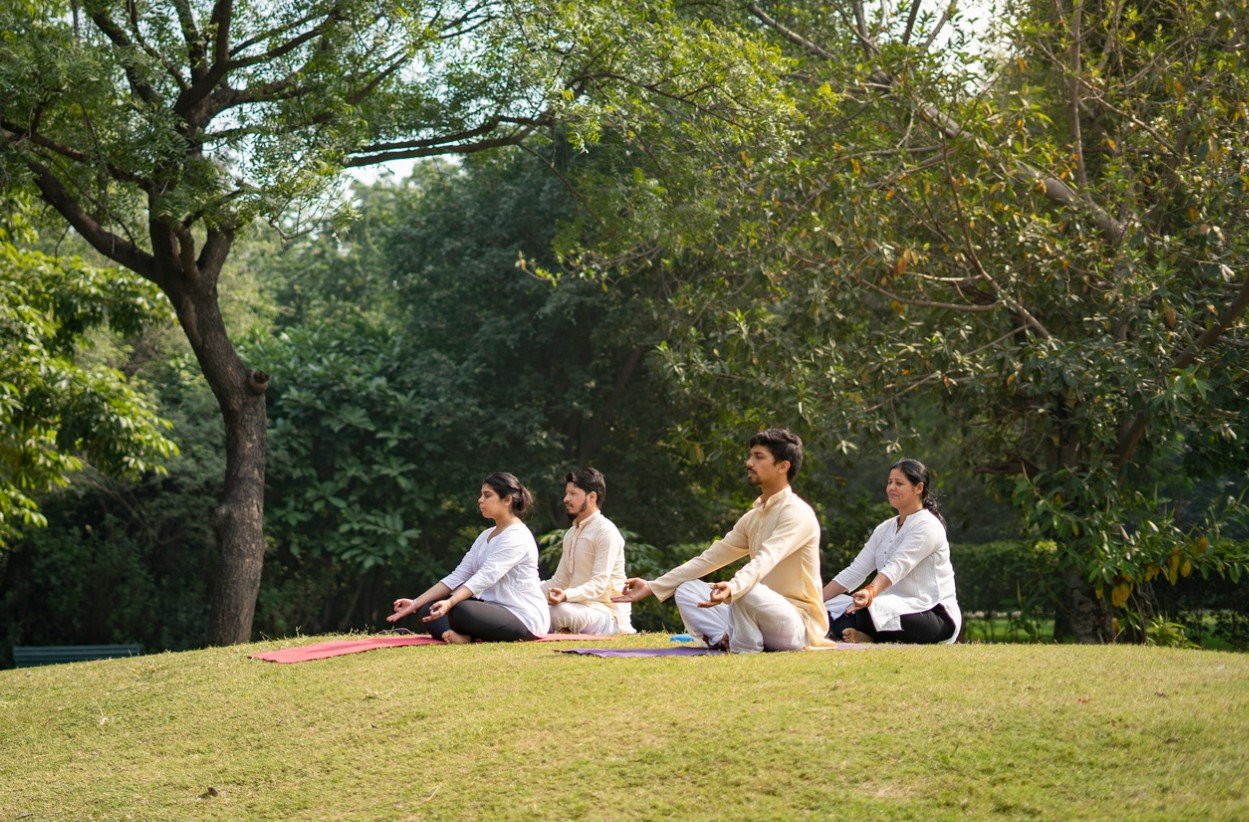
Yoga is not only a physical practice. It is a path of self-discovery that takes different forms depending on the tradition. Among the most widely taught styles are Hatha, Vinyasa, Ashtanga and Kundalini, each offering a distinct way of working with the body, breath and mind.
Hatha Yoga: Stillness and Mastery
Hatha Yoga is the foundation of most physical yoga practice. The word comes from ha (sun) and tha (moon), representing a balance of opposites: strength and surrender, activity and rest. It focuses on slow, deliberate movement, deep breathing, and holding postures for extended periods to build strength, endurance and mental focus.
A Hatha Yoga teacher training typically covers mastery of foundational postures with attention to alignment, a slow and meditative approach to holding poses, breath control (pranayama), and study of texts such as the Hatha Yoga Pradipika and the Yoga Sutras of Patanjali. It suits practitioners looking for stability and a deeper connection to breath and body.
Vinyasa Yoga: The Flow of Breath and Movement
Vinyasa Yoga is dynamic and fluid, built on a seamless connection between breath and movement. Unlike Hatha, where poses are held for longer, Vinyasa flows continuously between postures. A Vinyasa training covers sequencing, breath-synchronized movement, and builds stamina and endurance. It suits practitioners who want a more physically engaging, creative practice, though it is worth noting that continuous movement can sometimes be prioritized over precise alignment, so attention to technique matters.
Ashtanga Yoga: Discipline and Structure
Ashtanga Yoga, developed by Sri K. Pattabhi Jois, is highly structured, following a fixed sequence of postures that builds progressively. Training typically covers the Primary Series, the Trishtana method of coordinating posture, breath and gaze, and a strong emphasis on self-practice. It suits practitioners who thrive with structure and a physically demanding, disciplined practice.
Kundalini Yoga: Awakening Inner Energy
Kundalini Yoga is a spiritual practice designed to awaken energy at the base of the spine and guide it through the chakras, combining dynamic movement, mantra chanting, pranayama and meditation. Training covers energy work, breathwork, mantra, and the subtle body's anatomy of chakras and nadis. It suits practitioners drawn to energetic and spiritual work alongside physical practice.
Choosing Your Path
Each of these traditions offers a genuine, complete path. The right one depends less on which is objectively best, and more on what you are looking for: stillness and mastery, flow and creativity, discipline and structure, or energetic and spiritual awakening. At Prakruti Yogashala, our 200-Hour and 300-Hour Teacher Trainings are rooted in the Hatha, Iyengar and Tantra lineages, with a traditional, ashram-style approach.