
2026-08-17
How to Become a Confident Yoga Teacher: Tips for New Graduates
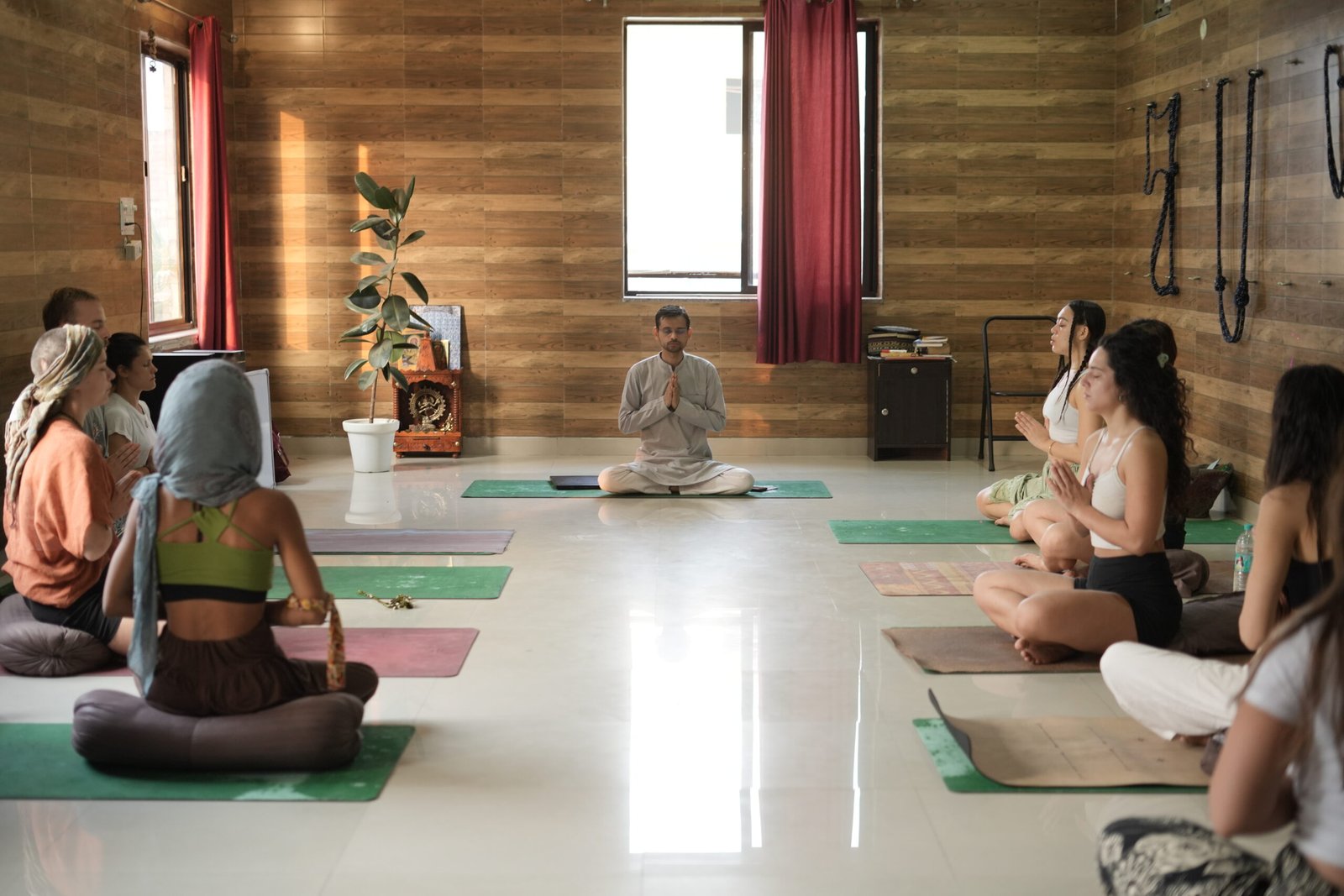
You don't need to know everything to be a good teacher. Not the perfect voice, the polished cues, or the full splits, what actually matters is presence, authenticity and heart. New graduates often meet a wave of imposter syndrome: I'm not ready, I need more experience, I should wait. But students are not looking for someone who knows it all. They are looking for someone who shows up and teaches from real experience rather than performance.
Facing the Fear
Freezing mid-sequence, mixing up left and right, feeling watched, all of this is normal, and it means you care. The goal is not to eliminate the fear but to meet it with the same kindness you would offer a student. Journaling after each class, practicing cues out loud beforehand, and taking a breath before you begin all help more than they might seem to.
Start Small
You do not need to fill a room to build confidence. Teaching one person, a sister, a roommate, a friend, with real attention does more for confidence than teaching ten out of fear. Connection is what matters, not scale, realizing your words helped even one person feel differently in their body is where confidence actually starts to build.
Finding Your Voice
Your teaching voice will not arrive fully formed. Early on, you will likely borrow language from your own teachers, and that is a normal part of learning. Over time it softens into something more your own, not necessarily louder, just truer.
Confidence Is a Practice
Like yoga itself, confidence builds one rep at a time: one class taught, one question answered, one cue that lands, one student who says thank you. Every mistake becomes a lesson rather than a failure, and action tends to come before confidence, not after it.
Read next: why small group training matters, or see our 200-Hour and 300-Hour Yoga Teacher Trainings.