
2026-08-17
The Padmasana Group of Asanas
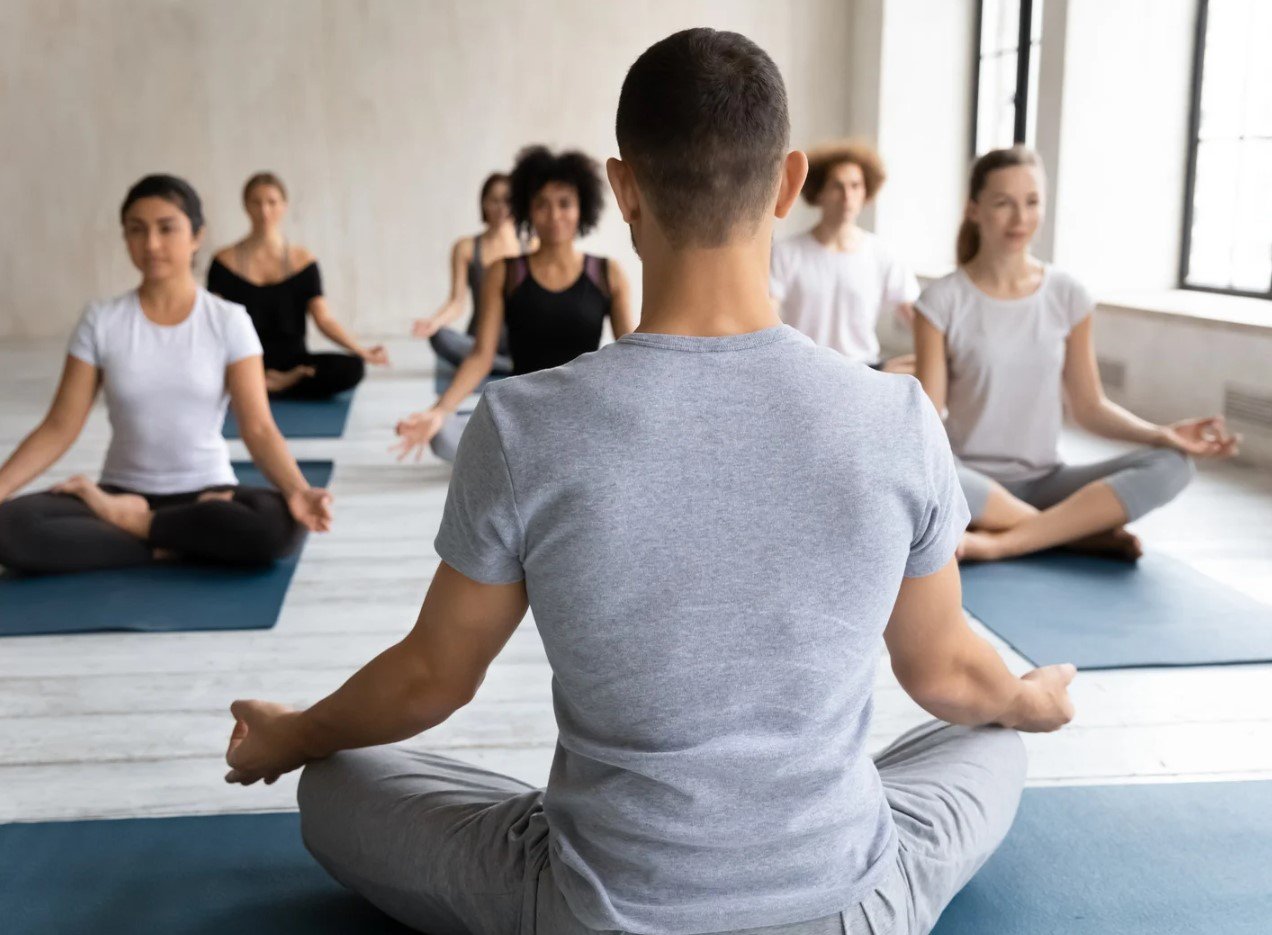
A first real attempt at Padmasana, the Lotus Pose, rarely looks graceful, more often it is a tangle of knees, tight hips and an overthinking mind. A good teacher's response is usually the same: you don't force a lotus to bloom, you wait for it. Padmasana is less about flexibility than about learning to stay, to keep breathing even while the body resists.
What the Padmasana Group Includes
The Lotus family grows from the traditional Padmasana and includes Ardha Padmasana (Half Lotus), Baddha Padmasana (Bound Lotus), Utthita Padmasana (Raised Lotus) and Yoga Mudra in Padmasana, a forward fold from the seated pose. These are not steps toward one final "achievement", each is its own exploration of the same balance between grounding and openness.
Listening to the Hips
Padmasana looks serene from the outside, but it asks for real external rotation at the hip, and forcing it before the joint is ready risks the knees. The safer route is preparation: Baddha Konasana (Butterfly Pose), the Gomukhasana leg position, Anjaneyasana (Low Lunge) and seated 90/90 rotations all help the hips open gradually, so the final shape starts to feel less like effort and more like a quiet conversation between movement and stillness.
Why These Poses Matter
Beyond posture, hip mobility and circulation, the deeper shift happens internally, the breath slows, the nervous system settles, and thoughts soften at the edges. Classical texts describe Padmasana as a destroyer of disease; in more ordinary language, it restores balance, physically and emotionally.
When the Body Says Not Yet
If full Lotus feels far away, Half Lotus or a simple cross-legged Sukhasana is a perfectly complete practice on its own, sitting on a folded blanket to lift the hips above the knees helps. If pain shows up, especially in the knees, stop immediately; the point was never to prove anything.
Explore hip-opening asana in our 300-Hour Yoga Teacher Training, and see also Vajrasana, sitting with the thunderbolt.