
2026-08-17
Standing Still, Standing Strong: The Quiet Power of Standing Asanas
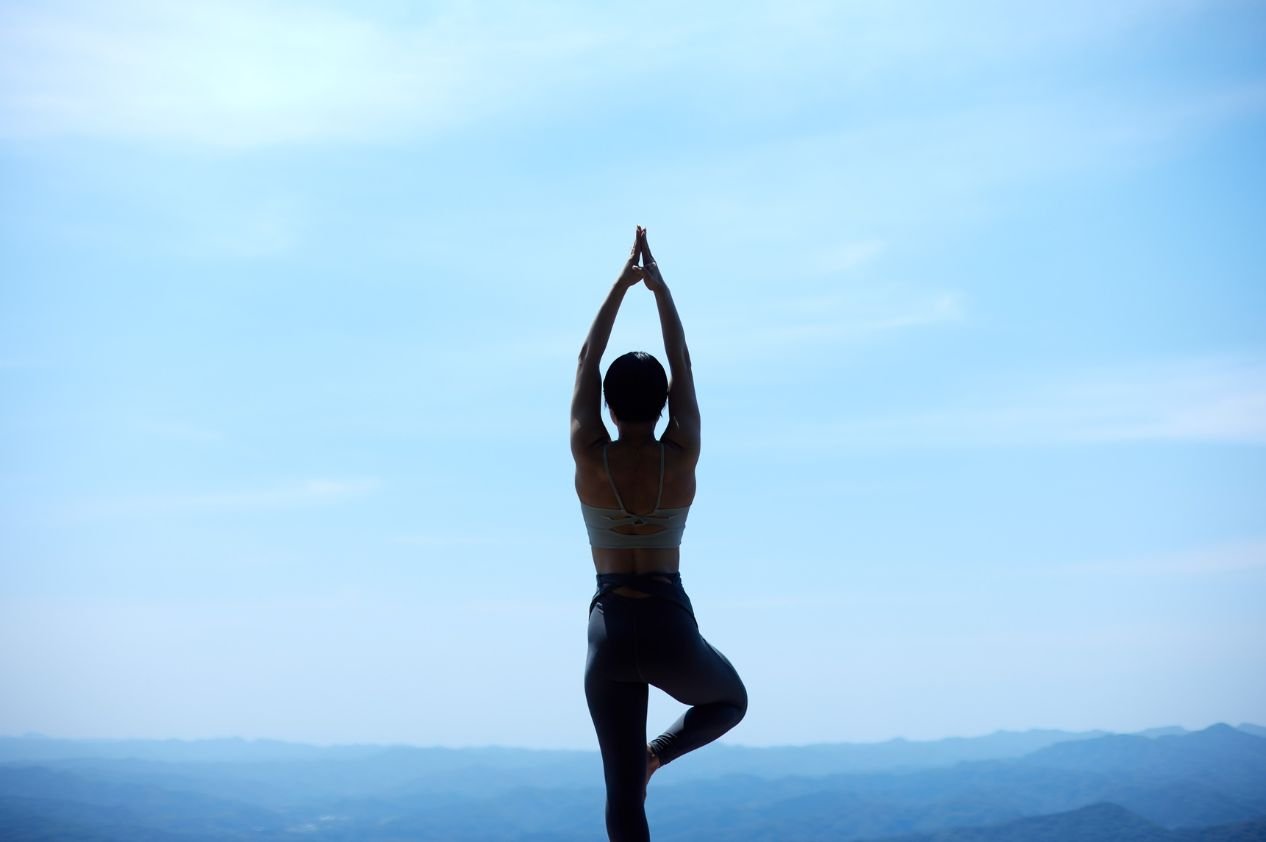
Standing poses don't dazzle the way arm balances do, and they rarely make for a dramatic photo. What they do instead is steadier and more honest: they strengthen, they balance, and they remind the body what it feels like to hold ground.
Why Standing Poses Matter
If you can stand well, most other things get easier. Chair Pose looks unremarkable until the legs start to shake, and that shake is the body rebuilding strength in real time. Tree Pose is humbling in the most useful way, some days steady, some days not, and either way the nervous system is learning something from the attempt. Mountain Pose looks like simply standing, but felt from the inside it teaches the spine to stack, the shoulders to soften and the breath to move freely. And holding Warrior II for a full minute tends to quiet the mind faster than most seated techniques, if only because there is no room left to think about anything else.
A Short Morning Sequence
Mountain Pose: stand and simply notice how the feet land, whether weight has drifted to one side, whether the toes are gripping. Tree Pose: wobble, and try again. Warrior II: strong, steady, eyes forward. Triangle Pose: the side body opens, the breath deepens. Ten minutes is enough to change the tone of a day.
The Subtler Layer
In the language of the subtle body, standing poses are associated with the root chakra, the seat of stability and belonging, not only about rooting down, but about rising too, feet heavy and crown light, earth and sky meeting in the same body.
Standing asana and its subtler dimension are part of our 200-Hour Yoga Teacher Training. See also balancing asanas.