2026-08-17
Understanding Chakras in Yoga: A Guide to the Seven Energy Centers
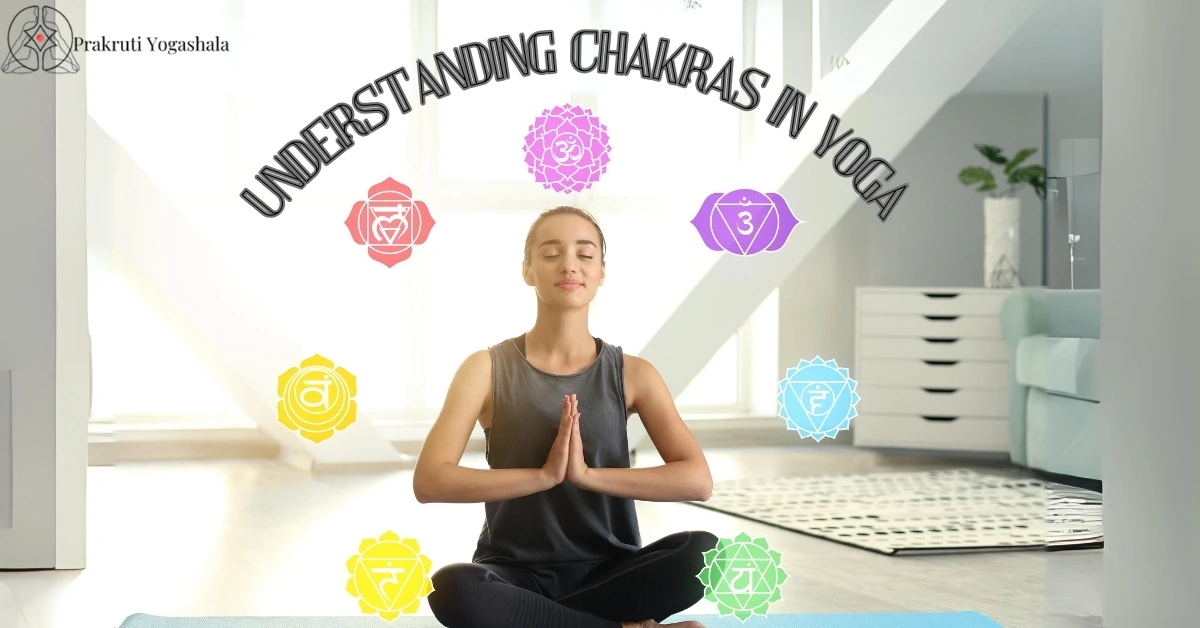
The concept of chakras runs through several Eastern spiritual traditions, and plays a central role in yoga. Rooted in ancient Hindu and Buddhist texts, chakras are described as energy centers along the spine that influence physical, emotional and spiritual well-being, when a chakra is blocked or imbalanced, the tradition holds that some corresponding disturbance follows.
The Seven Chakras
Root (Muladhara), at the base of the spine, governs safety and a sense of foundation. Poses that strengthen the legs and feet are said to stimulate it.
Sacral (Svadhishthana), below the navel, is associated with pleasure, creativity and emotion. Hip-opening poses are traditionally used to work with it.
Solar Plexus (Manipura), in the abdomen, governs willpower and self-discipline. Core and heat-building practices are said to activate it.
Heart (Anahata), at the center of the chest, bridges the lower and upper chakras and governs compassion. Heart-opening poses are used to clear it.
Throat (Vishuddha) governs communication and truthful expression. Chanting and gentle neck work are traditionally associated with it.
Third Eye (Ajna), between the eyebrows, is the seat of intuition. Meditation and visualization are the traditional tools here.
Crown (Sahasrara), at the top of the head, is described as the gateway to higher awareness, worked with through silence and mindfulness practice.
Mudras and Mantras
Each chakra has an associated hand gesture and seed sound in the tradition: Ganesha Mudra with the mantra Lam for the root; Shakti Mudra with Vam for the sacral; Rudra Mudra with Ram for the solar plexus; Anjali Mudra with Yam for the heart; a throat mudra with Ham; Hakini Mudra with Ksham for the third eye; and silence itself for the crown.
Bringing This Into Practice
A simple way to begin is pairing a pose with its associated chakra, Tree Pose for the root, Fish Pose for the throat, and building from there. This is one strand among many in the philosophy taught across our 200-Hour Yoga Teacher Training. See also Moola Bandha, the root lock.